Android
 IOS
IOS





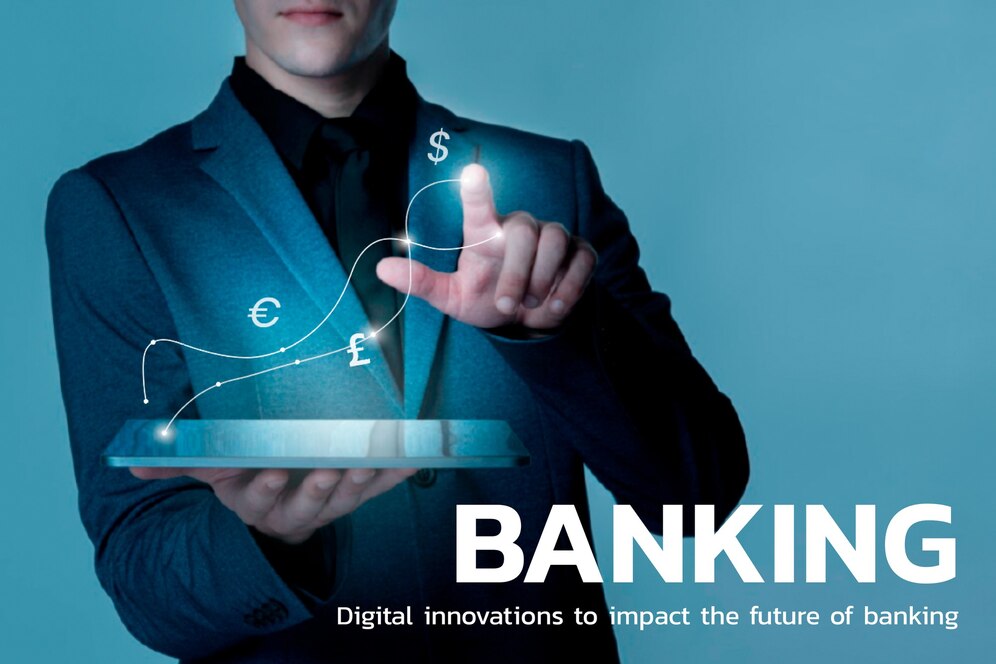


Transforming the Financial Industry -
The "Finternet" is a blend of Finance and Internet. It refers to the combination of internet and digital technology in the financial services industry. This includes online banking, digital payments, blockchain technologies, and financial apps. In essence, it's about how the internet is transforming the way we handle money, manage assets, and interact with financial institutions.
Transforming the Financial Industry
-
Decentralization
Traditional banking systems are centralized. The Finternet, primarily through blockchain technology, enables decentralized systems. This removes middlemen, reduces costs, and improves transparency.
- Example: Cryptocurrencies like Bitcoin operate on decentralized blockchain technology, allowing peer-to-peer transactions without needing a bank.
-
Access to Financial Services
Finternet provides greater access to financial services, especially in underserved regions. Mobile banking and cryptocurrencies enable financial transactions without physical bank branches.
- Example: Mobile payment platforms like Paytm in India enable people to transfer money, pay bills, and shop online without a bank account.
-
Speed and Efficiency
Technologies like blockchain and AI speed up transactions, making them more efficient and reducing costs. Smart contracts can automate processes in finance, reducing human error.
- Example: Smart contracts in Ethereum allow automatic execution of contracts when conditions are met, such as releasing funds for a project when milestones are achieved.
-
New Business Models
Fintech companies using advanced technology are creating new business models like peer-to-peer lending and robo-advisory.
- Example: Lending platforms like Lending Club enable people to lend money directly to others, bypassing traditional banks.
-
Personalization and Data Analytics
AI and machine learning can tailor financial services based on individual data and preferences.
- Example: Apps like Mint use AI to provide personalized budgeting and financial advice based on your spending habits.
-
Improved Security
Blockchain and other secure technologies can reduce fraud and offer more secure transactions. Biometric verification and two-factor authentication enhance security.
- Example: Using fingerprints or facial recognition to access your mobile banking app ensures that only you can access your account.
Effects on Everyday Life
-
Easier Access to Services
Mobile payments and digital wallets make transactions quick and easy, even without a bank account.
- Example: Using Google Pay to split a bill at a restaurant with friends.
-
Financial Inclusion
People in remote areas can access financial services, apply for loans, or invest in markets, improving economic conditions.
- Example: Farmers in rural India using microfinance apps to get small loans for agricultural activities.
-
Improved User Experience
Interaction with financial services becomes more user-friendly and personalized.
- Example: Robo-advisors like Betterment provide customized investment strategies based on your financial goals.
-
Lower Costs for Services
The digital nature of Finternet reduces operational costs for financial institutions, leading to lower fees for services.
- Example: Low-cost international money transfers using platforms like TransferWise (now Wise).
-
Smart Financial Products
Participation in decentralized finance products, crowdfunding, and microfinance services democratizes financial opportunities.
- Example: Investing in decentralized finance projects through platforms like Compound Finance.
-
Financial Literacy
Simplified financial processes help people understand financial concepts better, aided by automated tools and educational content.
- Example: Using apps like e-learn Academy for learning about personal finance and investing.
Emerging Opportunities
-
Blockchain & Cryptocurrencies
- Decentralized Finance Platforms: Opportunities for creating decentralized lending, borrowing, and trading services.
- NFTs: Expanding use cases in gaming, real estate, and intellectual property.
-
Fintech Innovations
- Digital Payments & Wallets: Developing new mobile wallets and payment systems.
- Robo-Advisors: Starting businesses that provide AI-powered investment advice.
-
Artificial Intelligence & Machine Learning
- Predictive Analytics: Analyzing market trends to make informed investment decisions.
- Fraud Detection: AI tools improving fraud detection and compliance.
-
Cybersecurity
- Blockchain Security Solutions: Developing better cybersecurity solutions for blockchain technology.
- Biometric Authentication: Creating sophisticated biometric solutions for secure access.
-
Regulatory Technology
- Building automated systems for regulatory compliance (KYC, AML, GDPR).
-
Financial Literacy & Education
- Education Tech for Finance: Creating online courses and platforms for financial education.
- Financial Wellness Programs: Providing financial wellness services to companies.
-
Green Finance
- Sustainable Investment Platforms: Creating platforms for investing in eco-friendly initiatives.
- Carbon Credit Markets: Enabling the trading of carbon credits through blockchain.
Leveraging Opportunities across Business
Businesses are leveraging the Finternet to innovate, streamline operations, and enhance customer experiences. Here are some ways they are doing this:
-
Online Banking and Financial Services
Example: Banks are offering online services such as opening accounts, applying for loans, and managing investments through user-friendly apps and websites. This reduces the need for physical branches and makes banking more accessible to customers.
-
Digital Payments
Example: Companies like PayPal and Stripe facilitate online transactions for businesses, allowing them to accept payments from customers worldwide quickly and securely. This is essential for e-commerce and global trade.
-
Blockchain and Cryptocurrencies
Example: Financial institutions and startups are using blockchain technology to create decentralized financial services, such as smart contracts and decentralized exchanges. These innovations reduce costs, increase transparency, and offer new investment opportunities.
-
Artificial Intelligence and Machine Learning
Example: AI is used for predictive analytics, personalized marketing, fraud detection, and customer service. Chatbots powered by AI provide instant support and can handle a large volume of inquiries efficiently.
Case: Banks use AI to analyze transaction data and detect fraudulent activities in real time, preventing financial losses.
-
Robo-Advisors and Automated Investing
Example: Fintech firms offer robo-advisors that use algorithms to manage investment portfolios. These services are cost-effective and accessible to individuals with varying levels of investment experience.
Platform: Companies like Wealthfront and Betterment use robo-advisors to provide personalized investment advice and portfolio management.
-
Insurance Technology
Example: Insurance technology companies are leveraging digital platforms to offer on-demand insurance, usage-based policies, and seamless claims processing.
Company: Lemonade uses AI to provide quick insurance quotes and instant claim approvals, enhancing customer satisfaction.
-
Decentralized Finance
Example: Decentralized finance platforms offer financial services like lending, borrowing, and trading without traditional intermediaries. This democratizes access to financial services and creates new investment opportunities.